
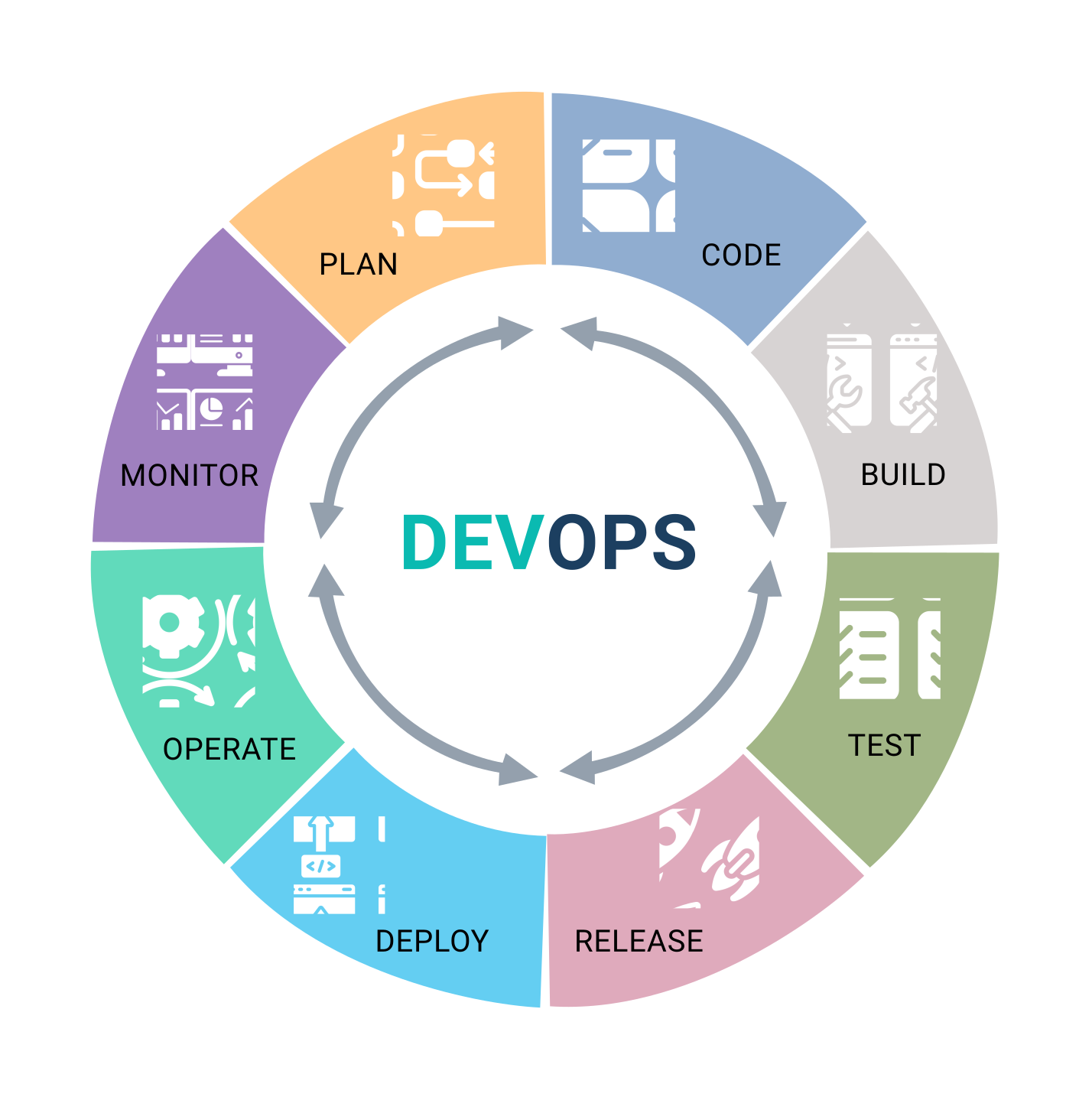
A website can look ready in development and still run into problems after deployment. A short release checklist helps your team catch those problems before visitors do. Use it to check the environment, try the important journeys and agree on a recovery plan. Keep it specific to the site you are releasing.
Confirm the release and environment
Write down the version you are deploying and the environment it belongs in. Check the domain, required settings and connections to outside services. Make sure production is using the intended services rather than test endpoints, and keep passwords and tokens out of public frontend files.
Test the important user journeys
Try the tasks a visitor will actually use: opening a service page, using the mobile menu, sending an inquiry and reading an article. Open page URLs directly and refresh them as well as clicking through the homepage. A working menu link does not prove that a direct request will work.
- Navigation and mobile menus.
- Forms and delivery to the intended recipient.
- Images, fonts and external API requests.
- Direct URLs, refreshes and unknown-page handling.
Review content and metadata
Check that each page has the right title, description, headings and canonical URL. Look at the content the server returns as well as what appears after the page loads. Review the sitemap and crawler rules so they match the pages you intend to make public.
Prepare monitoring and recovery
Agree on who notices a failure and who responds. Record how to restore a known working version, including any settings that need to change with it. Try that recovery process in a suitable test environment so the first attempt is not during an incident.

Check the systems behind the release and prepare a recovery path.
Assign release ownership
Give each part of the release a clear owner. Someone should approve the content, someone should deploy the files and someone should check the live result. Keep a short note of what changed and any limitations the team needs to know about.
- Identify the release version.
- Check configuration and dependencies.
- Test critical user journeys.
- Review content and metadata.
- Confirm monitoring and recovery.
- Verify the deployed result.
Keep the checklist useful
A checklist should prevent repeated mistakes, not become an unread document. Remove irrelevant items and add checks when a real issue reveals a gap. Explore DevxerTech DevOps services to discuss a release process suited to your team.

